


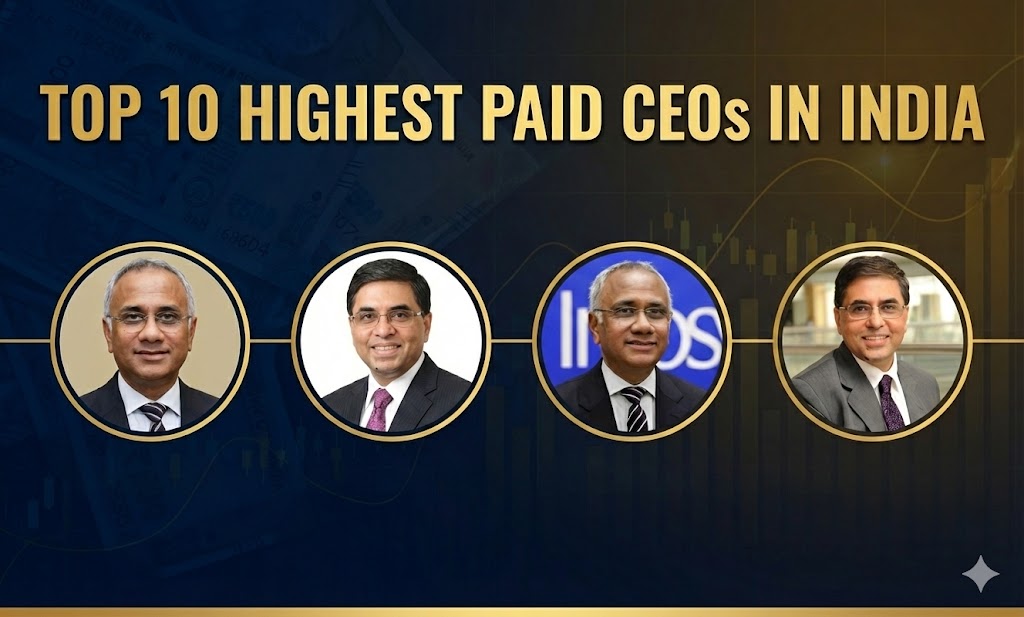
In India the growth of industry and corporate performance has brought executive leadership into the spotlight. CEOs play a pivotal role in shaping business strategy, driving innovation, and steering companies through market challenges. As a result many of the highest paid executives receive compensation that reflects not only their individual capabilities but also company scale, profitability, and long term performance goals.
In this article we examine the top 10 highest paid CEOs in India explore the context behind their compensation and identify key insights into trends in executive pay. This comprehensive overview will help business professionals understand how leadership value is recognized at the highest level.
What Determines CEO Compensation in India
CEO compensation is influenced by multiple factors. Understanding these factors helps explain why some executives earn more than others and what elements companies consider when designing pay packages. Below we explain the main drivers behind CEO earnings in the Indian corporate world.
1. Company Size and Market Position
Larger companies with higher revenues and market share often provide higher compensation. These companies also have greater resources and more complex operations that require seasoned leadership.
2. Industry Growth and Profitability
Certain industries offer higher pay due to rapid growth and competitive talent demand. Sectors such as information technology banking and pharmaceuticals typically show strong compensation growth.
3. Performance Incentives and Bonuses
Many CEOs receive performance linked pay which includes annual bonuses tied to financial goals or strategic milestones. Higher performance often leads to lucrative bonus payouts.
4. Equity and Long Term Incentives
Stock options restricted stock units or share based incentives form a significant part of CEO compensation. These align executive interests with long term shareholder value.
5. Experience and Track Record
CEOs with extensive industry experience track records of success and strong leadership reputations command higher compensation packages.
With this context in mind let us examine the top paid CEOs in India and understand what contributes to their compensation.
Note: Annual compensation figures are approximate and based on the latest publicly available financial reports and disclosures.
Table: Top 10 Highest Paid CEOs in India (FY25)
| Sr No | CEO Name | Company | Annual Compensation (₹ Crore) | Industry |
|---|---|---|---|---|
| 1 | N. Chandrasekaran | Tata Sons | 155.81 | Conglomerate |
| 2 | Sandeep Kalra | Persistent Systems | 148.09 | IT Services |
| 3 | Pawan Munjal | Hero MotoCorp | 109.41 | Automotive |
| 4 | Rajeev Jain | Bajaj Finance | 102.10 | Finance |
| 5 | C. Vijayakumar | HCLTech | 94.60 | IT Services |
| 6 | Murali K. Divi | Divi’s Laboratories | 88.15 | Pharmaceuticals |
| 7 | Salil Parekh | Infosys | 80.62 | IT Services |
| 8 | S. N. Subrahmanyan | Larsen & Toubro | 76.25 | Infrastructure |
| 9 | Vinay Prakash | Adani Enterprises | 69.34 | Conglomerate |
| 10 | Mohit Joshi | Tech Mahindra | ~53.90 | IT Services |
Notes: Figures include total annual compensation (salary + bonus + equity) for FY 2025.
1. N. Chandrasekaran – Tata Sons
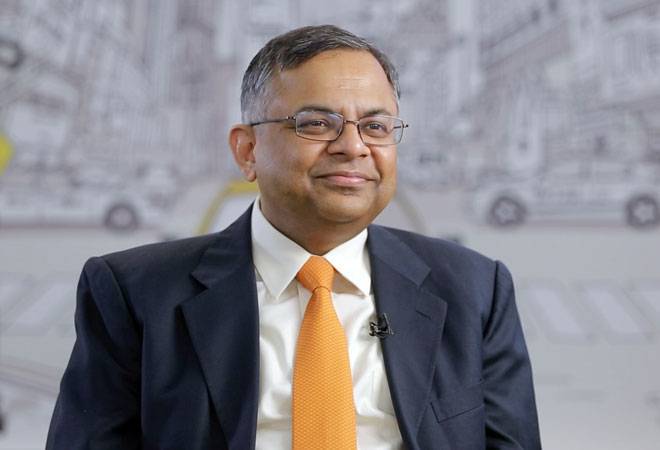
Natarajan Chandrasekaran is the Executive Chairman of Tata Sons, leading one of India’s largest and most diversified conglomerates. His leadership focuses on expanding Tata’s global footprint, strengthening core businesses in automotive, steel, IT, and consumer goods, and investing in innovation and technology.
Chandrasekaran is recognized for his decisive leadership style, strong corporate governance, and ability to navigate complex international markets. He emphasizes sustainability, digital transformation, and long-term growth strategies, ensuring the Tata brand remains a global benchmark in quality and performance.
2. Sandeep Kalra – Persistent Systems
Sandeep Kalra leads Persistent Systems, specializing in IT services, software development, and digital transformation. He has played a crucial role in expanding global delivery capabilities, forming strategic client partnerships, and investing in emerging technologies such as AI and cybersecurity.
Kalra fosters a culture of innovation and aligns executive incentives with company performance, helping Persistent Systems maintain competitiveness in an evolving IT landscape.
3. Pawan Munjal – Hero MotoCorp
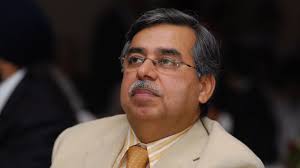
Pawan Munjal heads Hero MotoCorp, India’s leading two-wheeler manufacturer. His leadership emphasizes product diversification, high-performance motorcycles, and initiatives in electric mobility.
Munjal blends traditional business values with modern strategy, prioritizing operational efficiency, brand loyalty, and innovation, ensuring Hero MotoCorp remains a market leader while adapting to consumer trends.
4. Rajeev Jain – Bajaj Finance
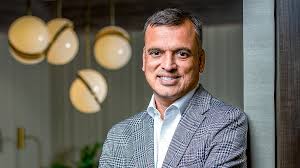
Rajeev Jain is the Managing Director of Bajaj Finance. He has been instrumental in expanding lending, credit card, and digital financial products, emphasizing risk management, customer acquisition, and product innovation.
Jain promotes a data-driven, high-performance culture, prioritizing sustainable growth and ensuring the company thrives even during challenging economic conditions.
5. C. Vijayakumar – HCLTech
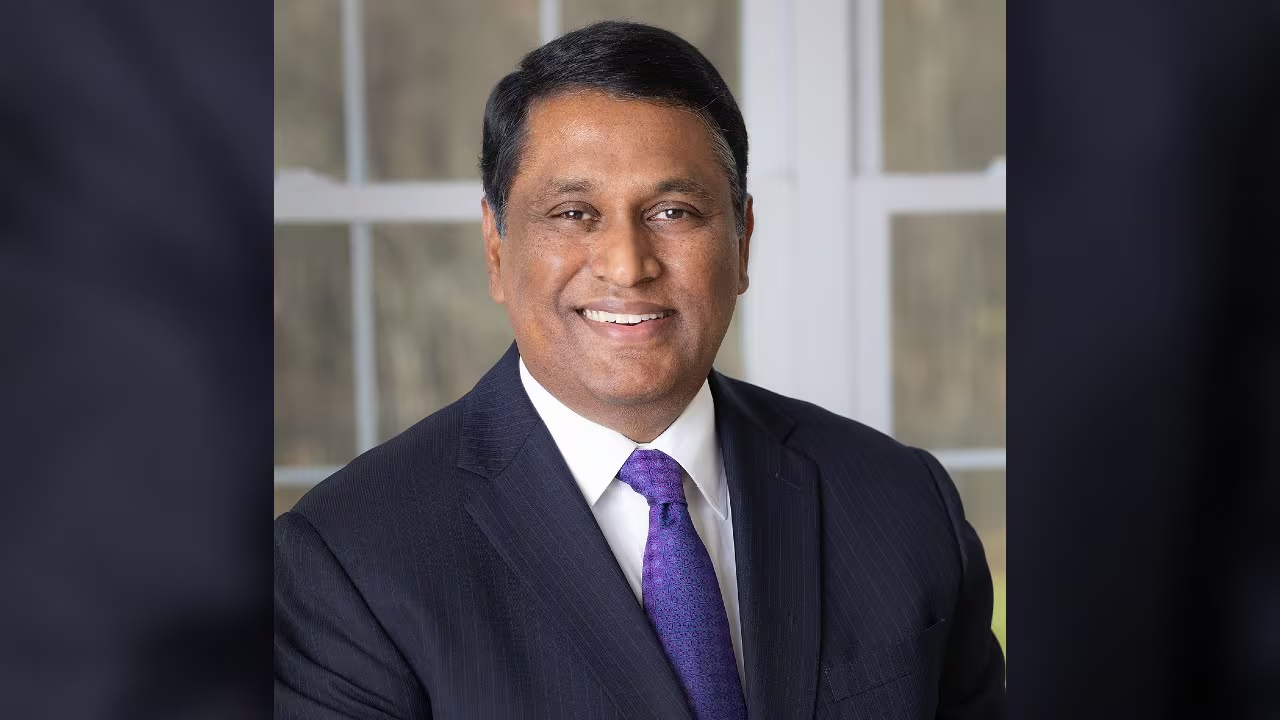
C. Vijayakumar heads HCLTech, a leading IT services and consulting company. He has driven digital transformation, cloud services, and engineering solutions, enabling clients to adopt emerging technologies efficiently.
Vijayakumar focuses on leadership development, innovation, and client-centric strategies, positioning HCLTech as a global leader in IT services and consulting.
6. Murali K. Divi – Divi’s Laboratories
Murali K. Divi leads Divi’s Laboratories, a global pharmaceutical company known for APIs and intermediates. He emphasizes quality, compliance, and international expansion.
Divi has invested in advanced manufacturing technologies and sustainable practices. His leadership combines scientific expertise with business acumen, ensuring the company’s position as a trusted global supplier.
7. Salil Parekh – Infosys
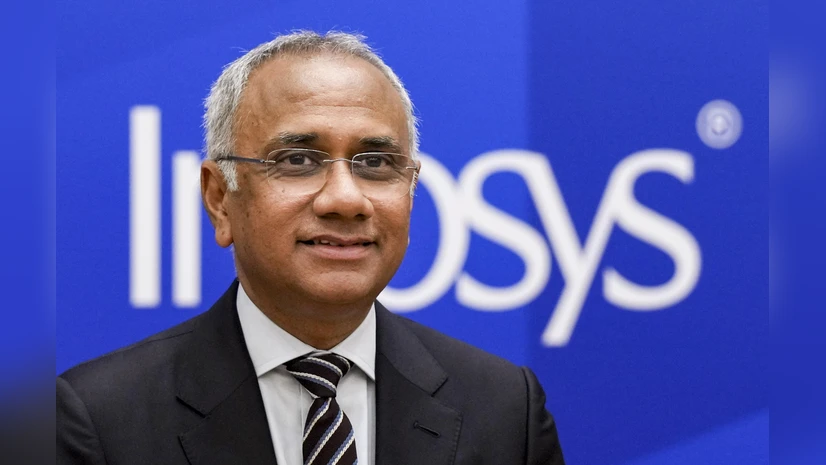
Salil Parekh is the CEO and Managing Director of Infosys. He focuses on global digital initiatives, innovation in consulting, cloud computing, and artificial intelligence.
Parekh combines analytical rigor with strategic vision, guiding Infosys toward consistent growth, global client satisfaction, and market leadership.
8. S. N. Subrahmanyan – Larsen & Toubro
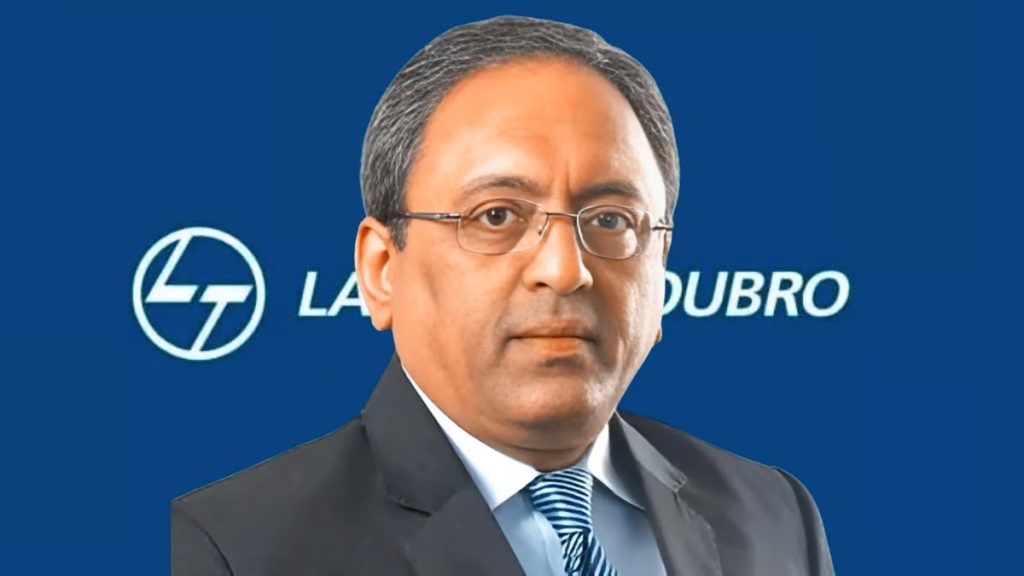
S. N. Subrahmanyan leads Larsen & Toubro (L&T), a top engineering and infrastructure company. He manages large-scale projects across construction, heavy engineering, and digital solutions.
Subrahmanyan prioritizes operational efficiency, digital integration, and international expansion. His leadership empowers teams to deliver complex projects successfully and on time.
9. Vinay Prakash – Adani Enterprises
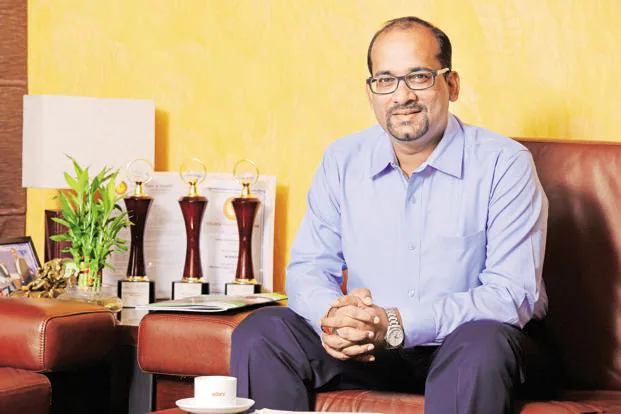
Vinay Prakash is the CEO of Adani Enterprises, overseeing a diversified conglomerate with businesses in energy, ports, logistics, and digital services.
He focuses on strategic planning, operational optimization, and large-scale project execution. Prakash’s leadership emphasizes sustainable growth, long-term efficiency, and multi-sector expansion.
10. Mohit Joshi – Tech Mahindra
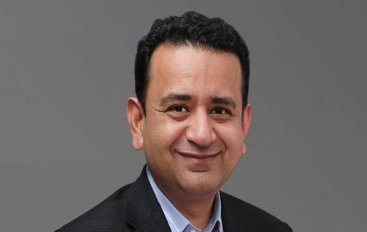
Mohit Joshi heads Tech Mahindra, a global IT services and consulting company. He drives digital transformation, enterprise solutions, and customer-focused innovations.
Joshi promotes agility, talent development, and client satisfaction. Under his guidance, Tech Mahindra has strengthened its position in IT consulting, networking solutions, and digital services worldwide.
Compensation Trends Among India’s Top CEOs
CEO compensation in India shows distinct patterns that reflect broader corporate trends. Here are several key observations that help explain how executive pay is evolving.
1. Sector Concentration of High Pay
Industries such as IT banking and FMCG feature prominently among the highest paid CEOs. These sectors are highly competitive and rely on strategic leadership to maintain growth momentum and market relevance.
2. Performance Based Incentives
Most top paid CEOs receive a significant portion of their compensation through performance incentives tied to financial results strategic milestones or long term value creation. This trend aligns leadership rewards with company success.
3. Equity and Long Term Focus
Equity incentives and stock linked compensation encourage CEOs to focus on long term growth rather than short term gains. This approach aligns executive interests with shareholder expectations for sustainable value.
4. Global Benchmarking
Indian corporate practices are increasingly benchmarking CEO compensation against global peers. As Indian companies expand internationally compensation packages are designed to attract leaders capable of navigating complex global markets.
5. Gender and Diversity Considerations
While progress is being made greater diversity in executive leadership remains an area of focus. The corporate sector is exploring how to broaden opportunities and representation at top levels of leadership.
What This Means for Aspiring Leaders
For professionals aspiring to executive roles understanding how compensation is structured can inform career development strategies. A few key insights include:
1. Build Cross Functional Expertise
CEOs often bring broad experience across functions such as operations finance marketing and strategy. Diverse expertise strengthens leadership capability.
2. Focus on Performance and Results
Delivering measurable results and driving growth increases leadership value. Performance metrics frequently influence executive compensation.
3. Develop Strategic Thinking
Top CEOs are strategic thinkers capable of long term planning and adapting to changing market conditions. This mindset is critical for career advancement.
4. Embrace Innovation
Innovative leaders who drive digital transformation and operational improvements are highly valued and often rewarded with competitive compensation.
Frequently Asked Questions – (FAQ’s)
Q1. Who is the highest paid CEO in India in 2025?
N. Chandrasekaran of Tata Sons leads the list of top executives.
Q2. Does CEO pay include bonuses and stock options?
Yes, total compensation typically includes base salary, performance bonuses, and long-term equity incentives.
Q3. Why do IT CEOs often appear among the highest paid?
IT companies provide significant performance-linked incentives and equity options due to global expansion and digital growth.
Q4. Are these salaries publicly disclosed?
For publicly listed companies, CEO remuneration is disclosed in annual reports and corporate filings.
Q5. Do all industries pay CEOs similarly?
No, pay varies widely by sector, company size, and complexity of operations.
Q6. How frequently do CEO pay rankings change?
Rankings can change annually based on performance, compensation policies, and market trends.
Q7. Can CEOs earn beyond the reported figures?
Occasionally, one-time awards or long-term stock grants can increase total remuneration significantly.
You Might Also Like This:
- Why Business Magazines Are a Powerful PR Tool for Startups
- Ashish Hemrajani Success Story: Founder Of BookMyShow
Conclusion:
India’s top CEOs exemplify vision, strategic thinking, and leadership across industries. Leaders like N. Chandrasekaran, Sandeep Kalra, and Pawan Munjal demonstrate that success requires a combination of operational excellence, innovation, and global outlook.
Their compensation reflects the scale of responsibility, the complexity of operations, and the impact they create for stakeholders. By studying their strategies, achievements, and leadership styles, business professionals and enthusiasts can gain valuable insights into the dynamics of corporate India and the traits required to lead successfully in a competitive global environment.





Leave a comment